Camps & Tours

Camps and trips give us more time, more context, and more sky.

This is where observation, travel, place, and longer conversation can sit in the same program.

During Perseid week Didim Apollon Temple visit 2 Aug totality Cairo and Luxor
The Temple of Apollo at Didim

Camp Example

A good example: the 2026 Amateur Astronomy Summer Camp.

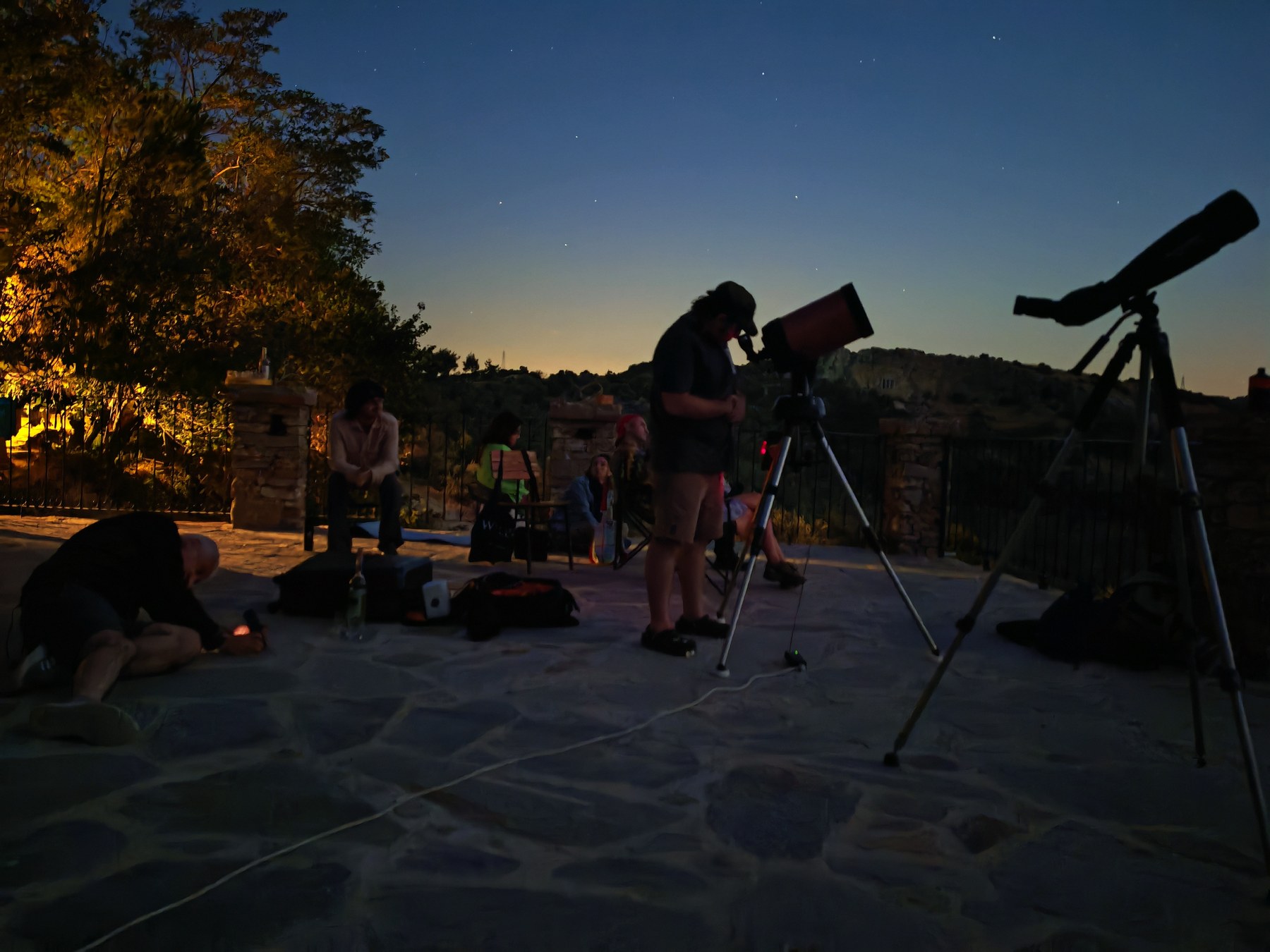
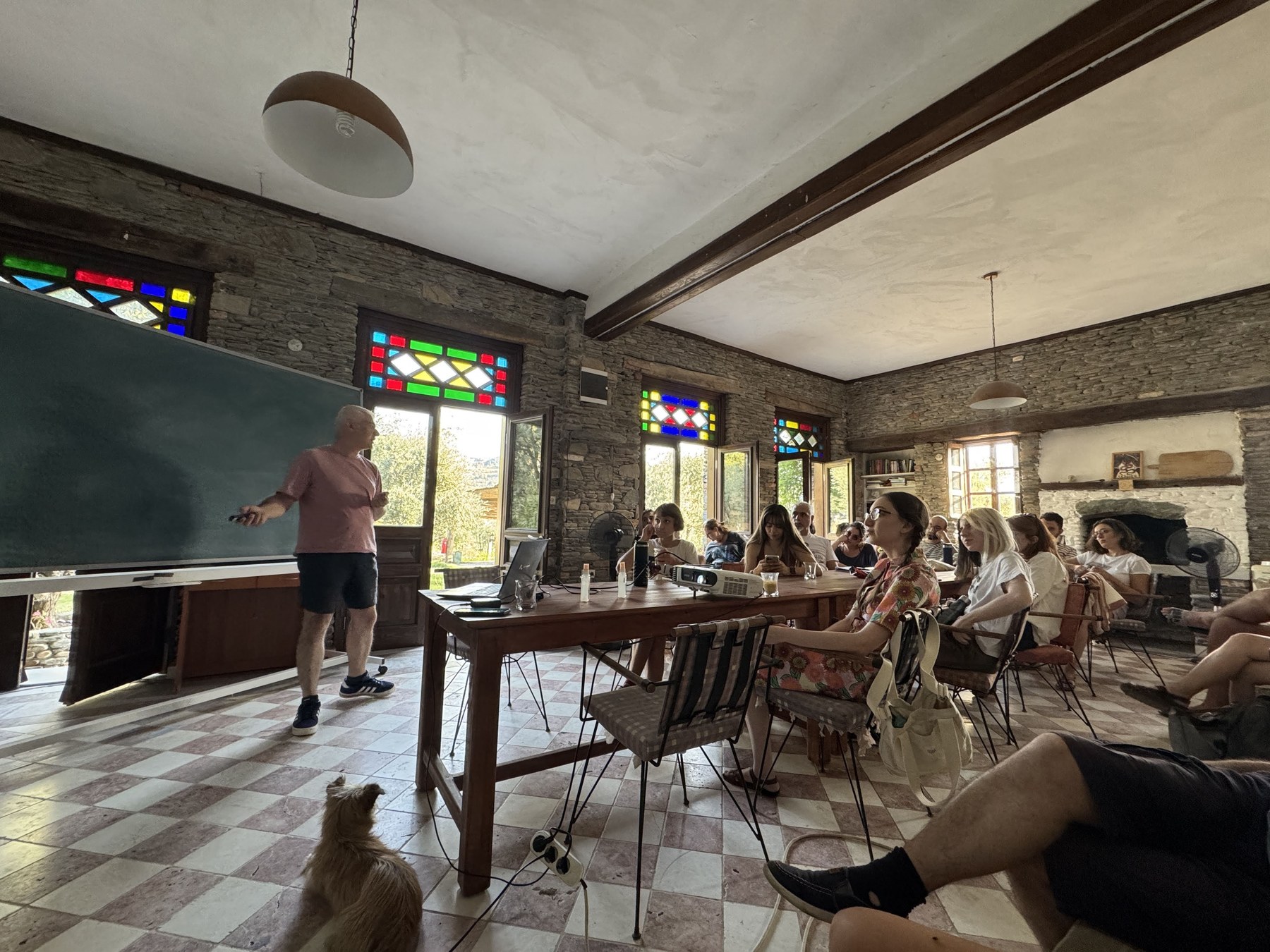
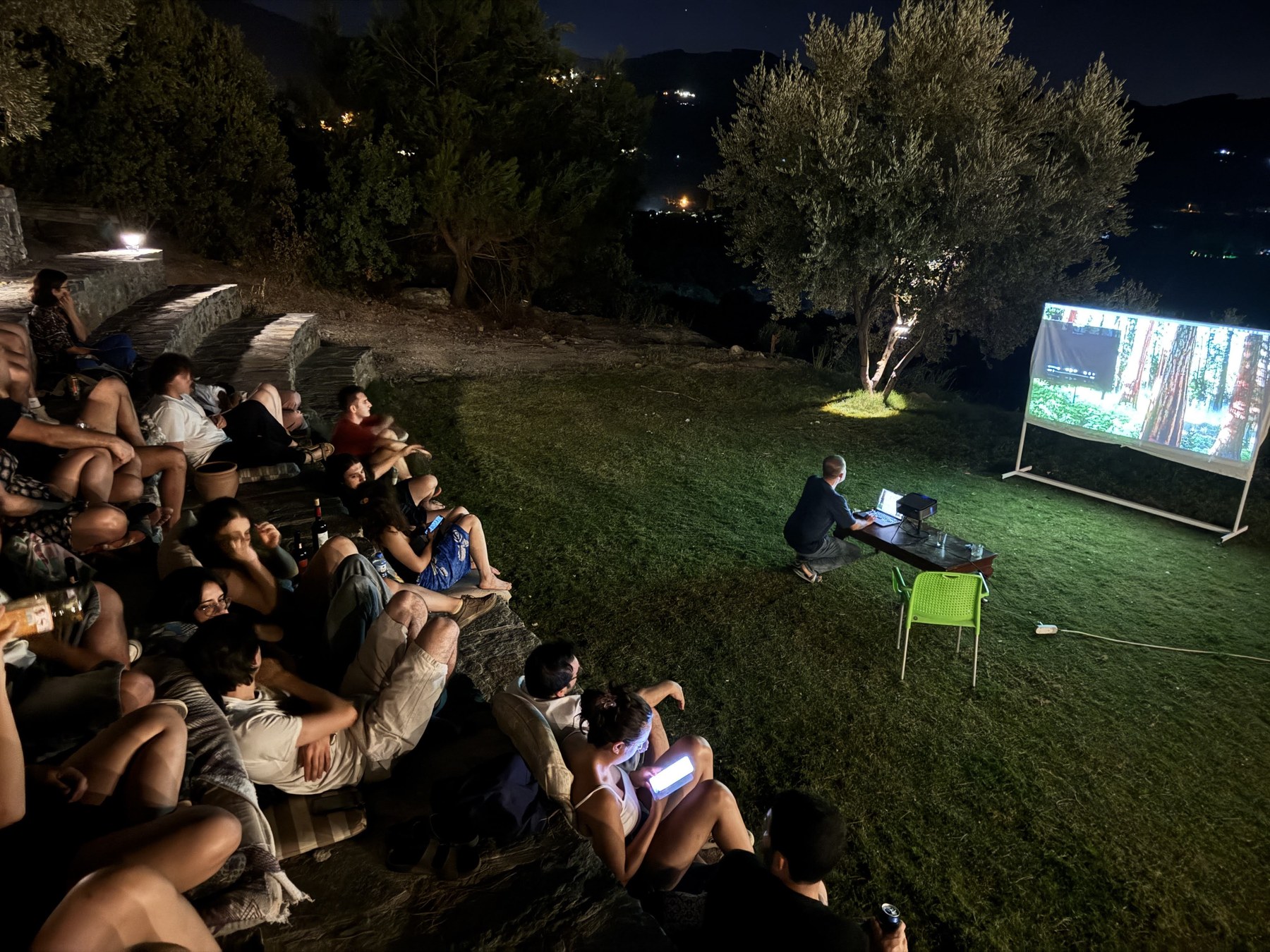
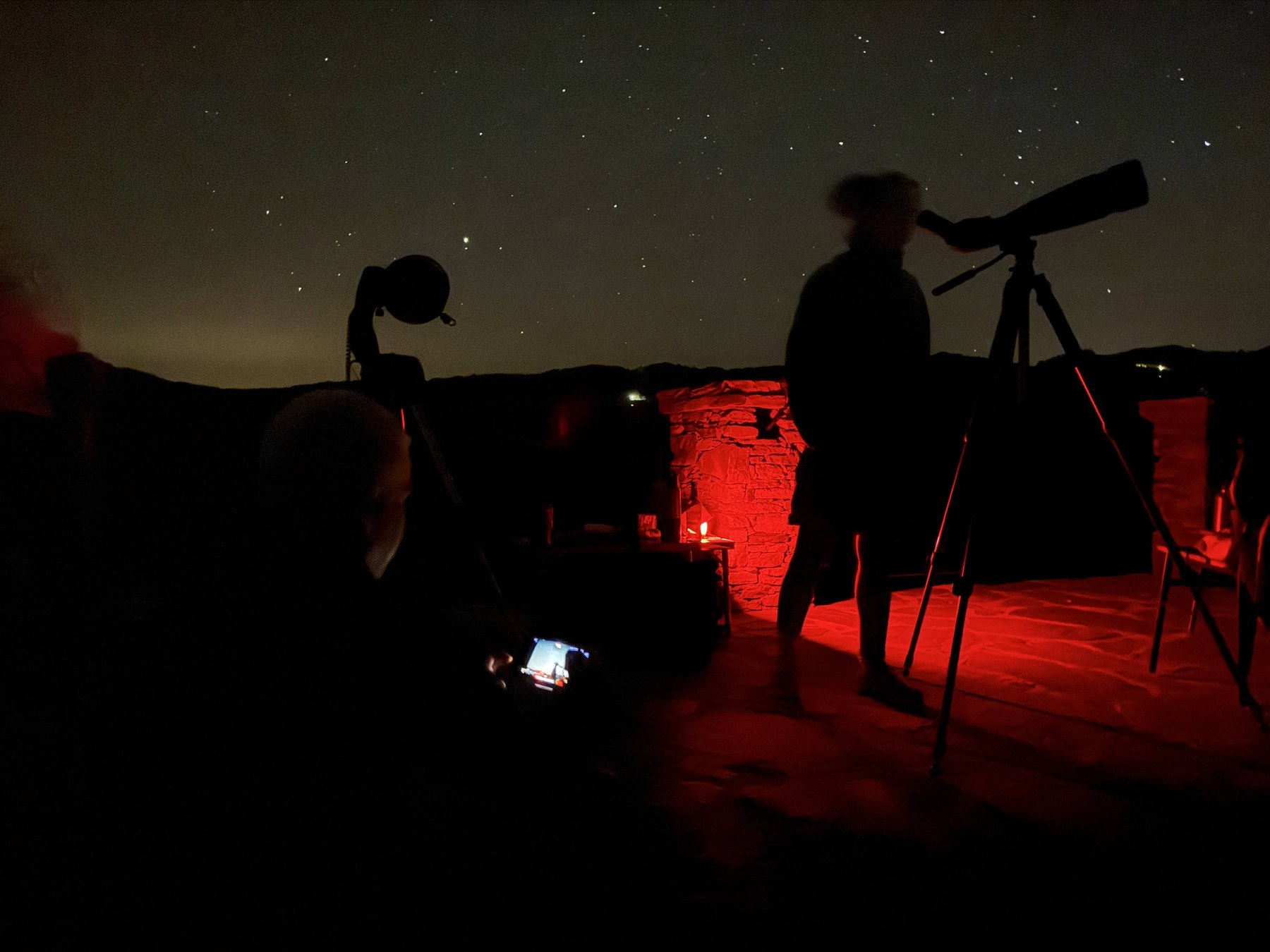
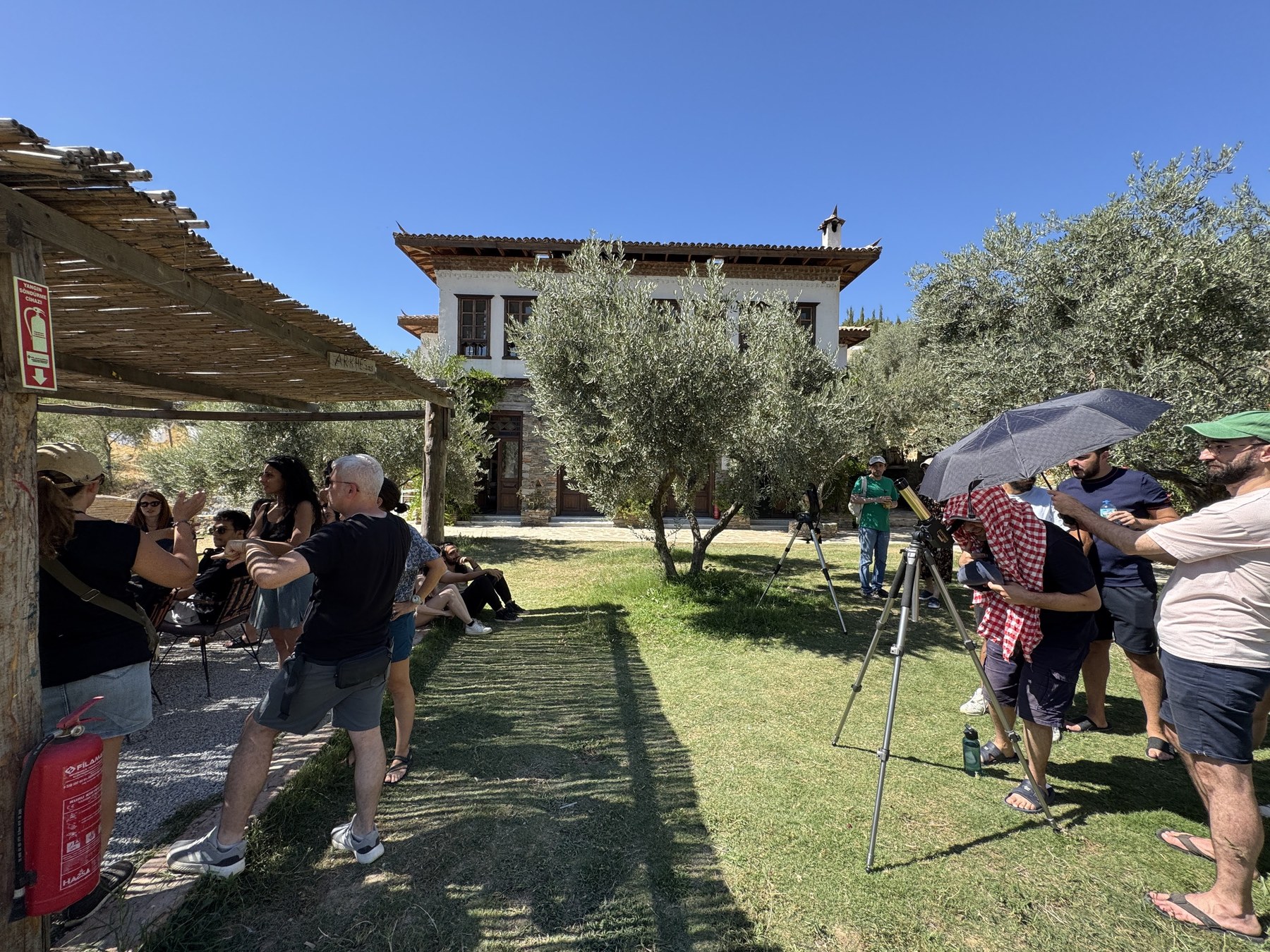
The 2026 camp gives a good picture of how we work. The week moves between talks, solar and night observation, imaging practice, and a field trip to Didim in a calm, hands-on rhythm.

During Perseid week Day and night observation Didim Apollon Temple visit Astronomy with history and philosophy

Topics through the week

  • Getting oriented in the sky
  • Astronomy history and the Copernican shift
  • How we think about evidence in science
  • Archeoastronomy and calendar-based architecture
  • Basic astrophysics and stars
  • Exoplanets and life beyond Earth
  • Light pollution and public outreach
  • Observation tools and phone-based imaging
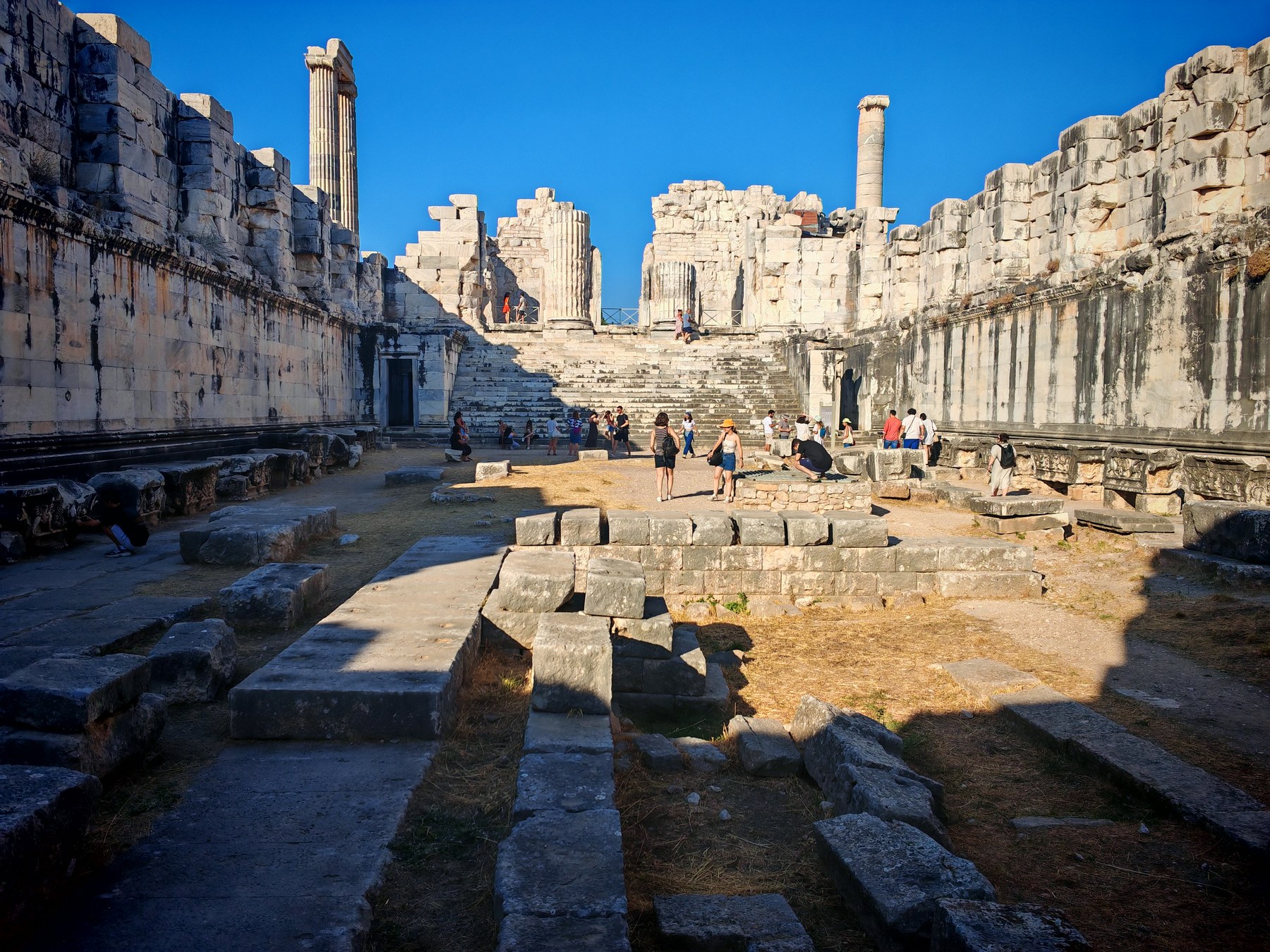
The Temple of Apollo at Didim
Didim Apollon Temple is one of the camp's archeoastronomy stops.
Arrival

Arrival and first observation night

People settle in, get to know one another, and start with a first guided look at the sky.

Day 1

Finding your way in the sky

Basic sky orientation, scale, motion, and the shape of the Solar System.

Day 2

History and scientific thinking

Copernicus, Galileo, and the way astronomy changed how people think about the world.

Day 3

Archeoastronomy and stars

Ancient sky knowledge, symbolic systems, and a practical introduction to stars and astrophysics.

Day 4

Field trip and imaging

Time at Didim, followed by work with observing tools and basic astrophotography.

Day 5

Exoplanets and public astronomy

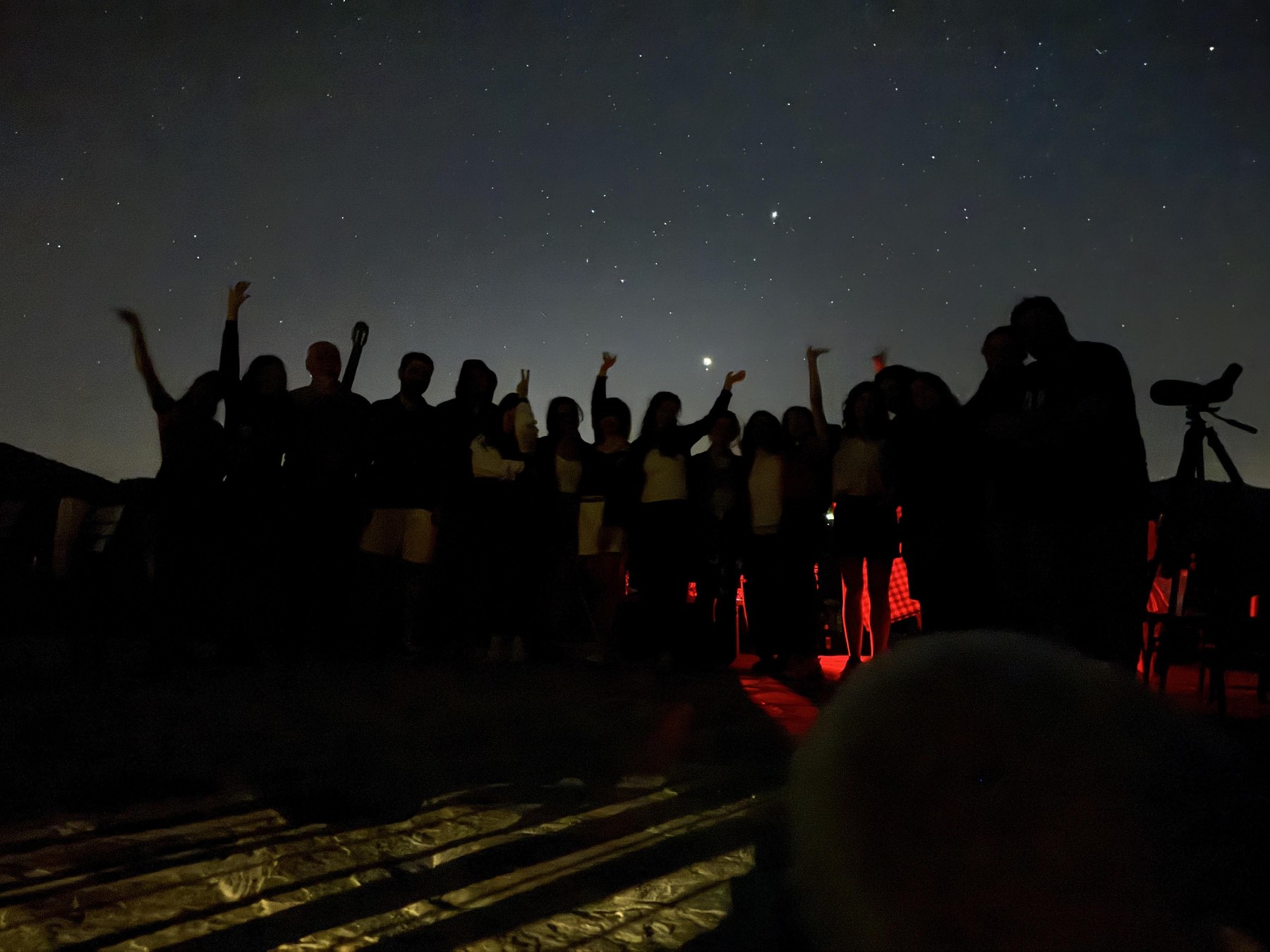
Exoplanets, science communication, light pollution, and one last night under the stars.

Equipment in use

We use real observing equipment, not demo gear.

Telescopes

Schmidt-Cassegrain and Maksutov systems, refractors, apochromatic optics, and a dedicated solar telescope.

Observation support

Wide-angle binoculars, equatorial and Alt-Az mounts, and guided setup support during observation.

Imaging tools

Dedicated cameras, an astrophotography computer, and phone-based imaging exercises.

Place does part of the teaching.

A temple, a museum, a desert horizon, or a dark sky. These longer formats stay with people partly because the setting itself helps carry the experience.

Didim Cairo Luxor Night observation

2027 Journey

2027 Total Solar Eclipse Archeoastronomy Tour

We built this trip around the August 2, 2027 eclipse, but we did not want it to feel like a rushed eclipse-only package. The route moves from Cairo to Luxor with time for the pyramids, the museum, observation, evening talks, and major historical sites.

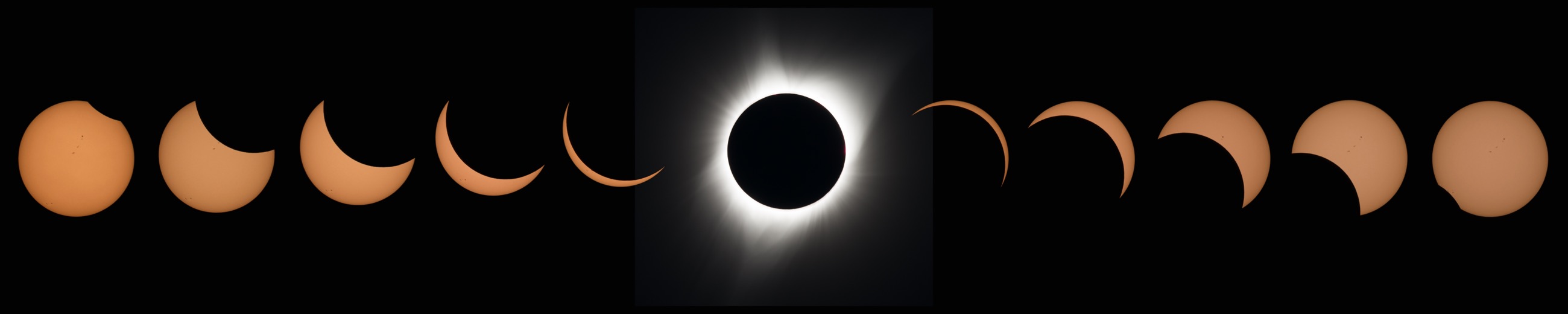
Sequence of a total solar eclipse from partial phases to totality
We built the trip as a whole journey, not just an eclipse add-on.

At a glance

We planned six days from Cairo to Luxor around eclipse day.

We begin in Cairo, continue south to Luxor for eclipse day, and stay with the history of the place through the Valley of the Kings, Thebes-Amarna visits, and evening talks.

31 Jul - 5 Aug 2027 Cairo and Luxor 2 Aug totality Evening talks and archeoastronomy context
Route

We fly Istanbul-Cairo, continue to Luxor, and return home via Cairo.

Eclipse day

On August 2, we begin with the observation transfer, move through the eclipse window, and end with the Valley of the Kings and an evening seminar.

Pace

We balanced major sites, flights, and observation with enough time for context and conversation.

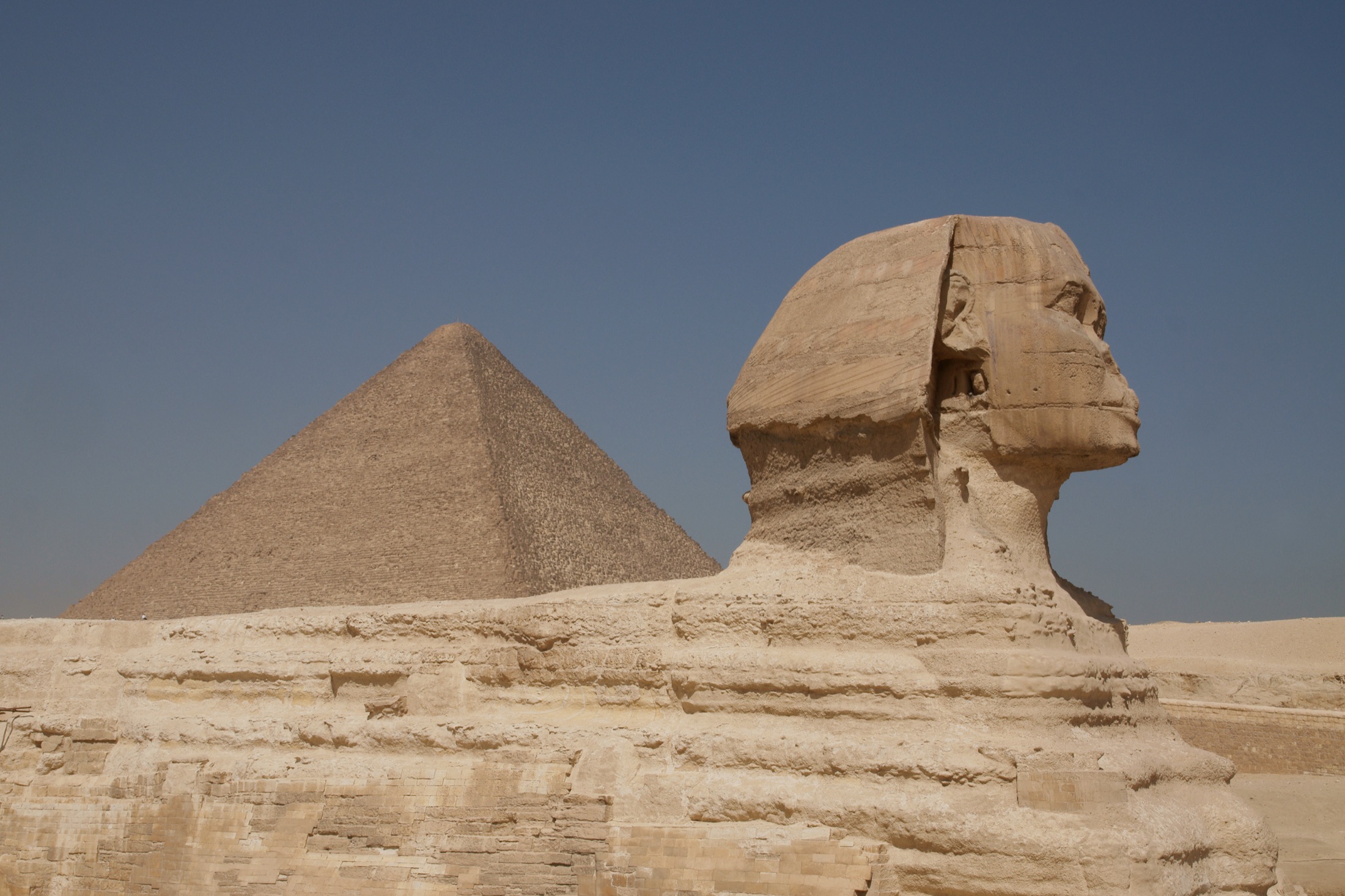
The Great Sphinx of Giza with a pyramid behind it
Arrival in Cairo

We begin with Cairo instead of waiting for eclipse day.

After arrival and check-in, we head to the pyramids and close the first day with dinner and a seminar.

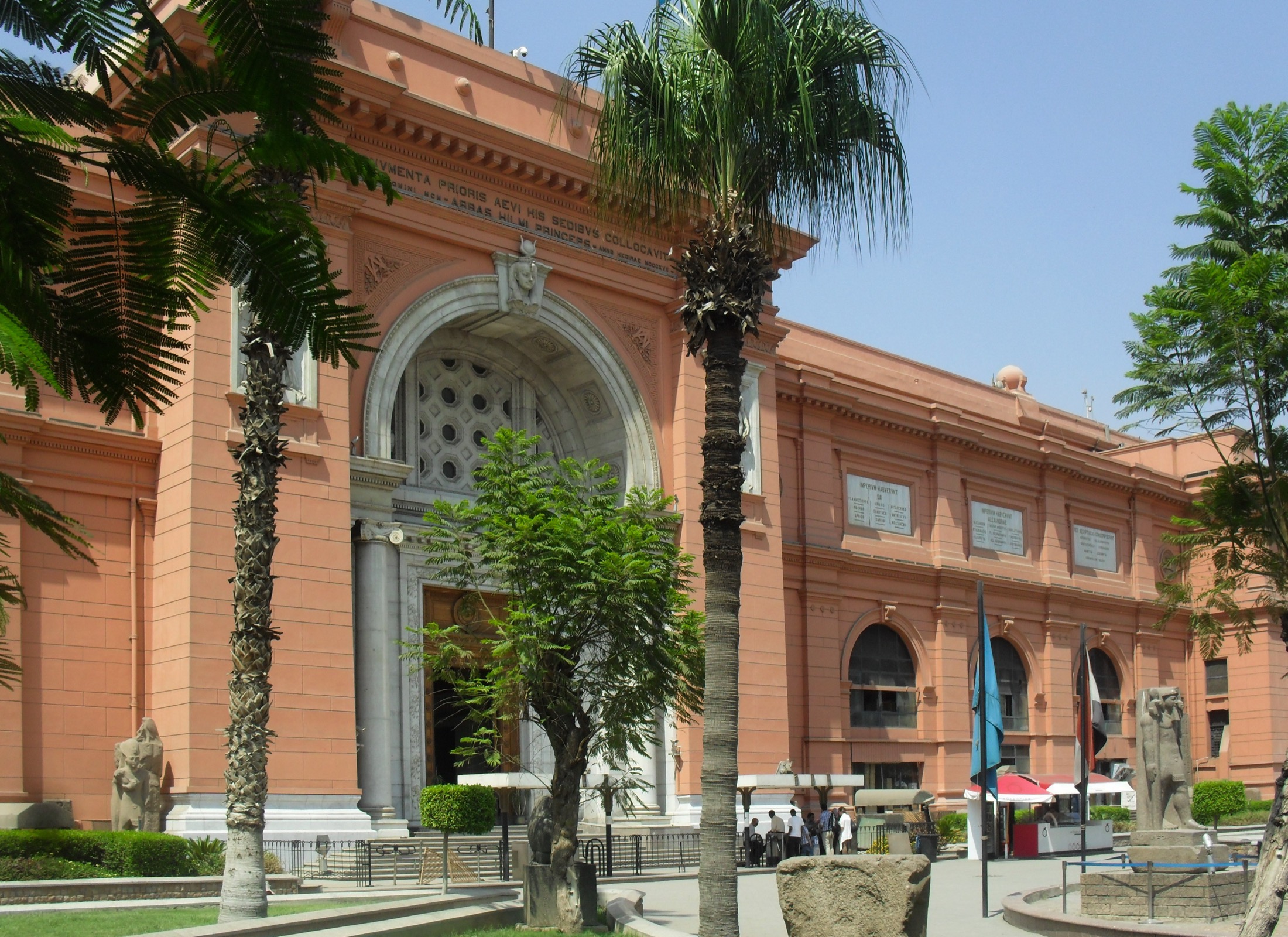
Exterior of the Egyptian Museum in Cairo
Museum day

Before heading south, we give the trip some historical depth.

On August 1, we spend time at the Cairo Museum, take the evening flight to Luxor, and settle in before observation day.

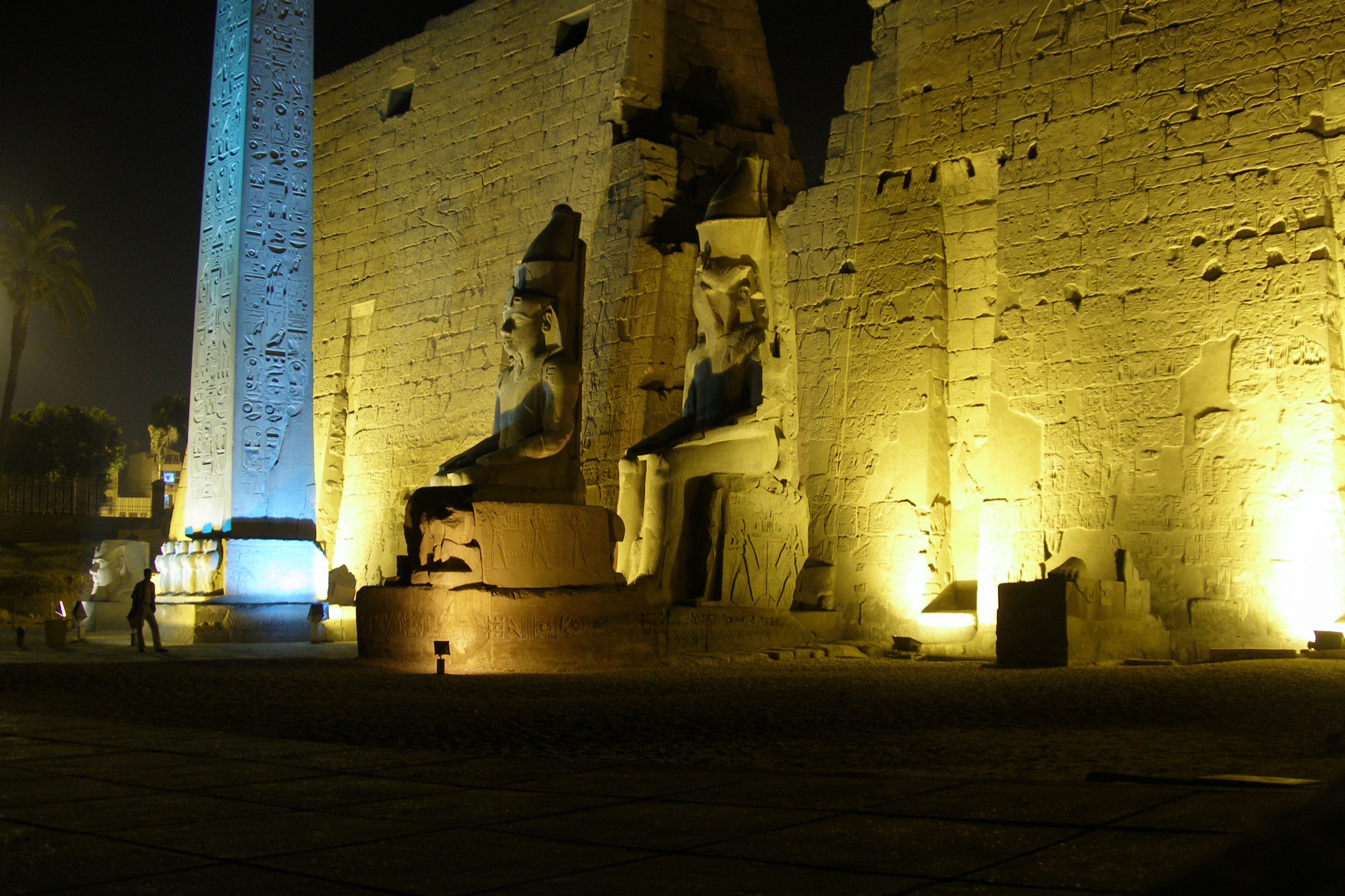
Luxor Temple illuminated at night
Luxor

We use Luxor as the base for the eclipse and the days after it.

We keep observation logistics, site visits, and evening seminars anchored there.

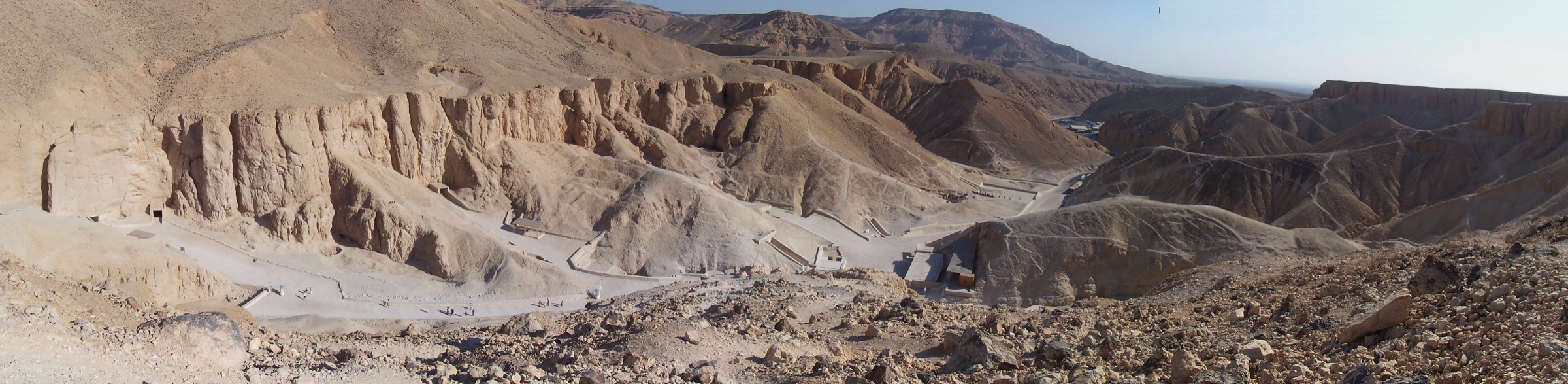
Panoramic view over the Valley of the Kings
After totality

We stay with Egypt after totality instead of rushing home.

After the eclipse, we continue with the Valley of the Kings, Thebes-Amarna visits, free time, and a final seminar before the return.

Day by day

We kept the eclipse at the center, but we gave the rest of the week shape too.

Each day has a job: arrival, context, observation, regional visits, and return.

31 Jul

Istanbul, Cairo, pyramids, and the first seminar

  • 01:55-04:20: Flight from Istanbul to Cairo
  • 05:30: Transfer and check-in
  • 13:00-19:00: Pyramids
  • 20:00-23:00: Dinner and seminar
1 Aug

Museum day and evening flight to Luxor

  • 09:00: Check out
  • 10:00-16:00: Cairo Museum
  • 22:00-23:00: Flight from Cairo to Luxor
  • 23:59: Luxor check-in
2 Aug

Observation day, eclipse, and Valley of the Kings

  • 08:00: Departure for the observation area
  • 10:00-14:00: Total solar eclipse
  • 15:00-19:00: Valley of the Kings
  • 20:00-23:00: Dinner and seminar
3 Aug

Thebes-Amarna and free time

  • 09:00-17:00: Thebes-Amarna
  • 17:00: Free time
4 Aug

A second regional day and the closing seminar

  • 09:00-17:00: Thebes-Amarna
  • 20:00-23:00: Dinner and seminar
5 Aug

Return from Luxor to Istanbul

  • 06:00: Check out and airport transfer
  • 09:00-17:30: Luxor-Cairo-Istanbul

Contact

If you have a program in mind, let's talk.

If you are planning something for a school, a team, a museum, a campus, a festival, or a smaller group, we can help shape the right format together.

School and team programs Public telescope nights 2027 eclipse trip